Book reviews for miscelaneous journals
(by A. Bultheel)
back 25
|
next 25
|
survey
↑
174.
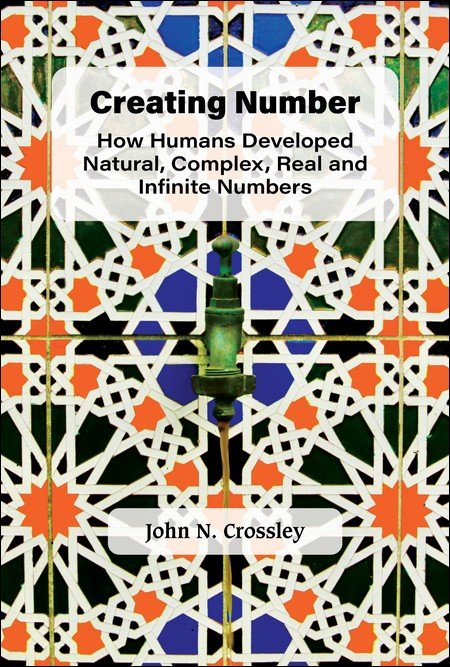
John N. Crossley,
Creating Number: How Humans Developed Natural, Complex, Real and Infinite Numbers
(World Scientific, 2026) [MAA Reviews]
173.
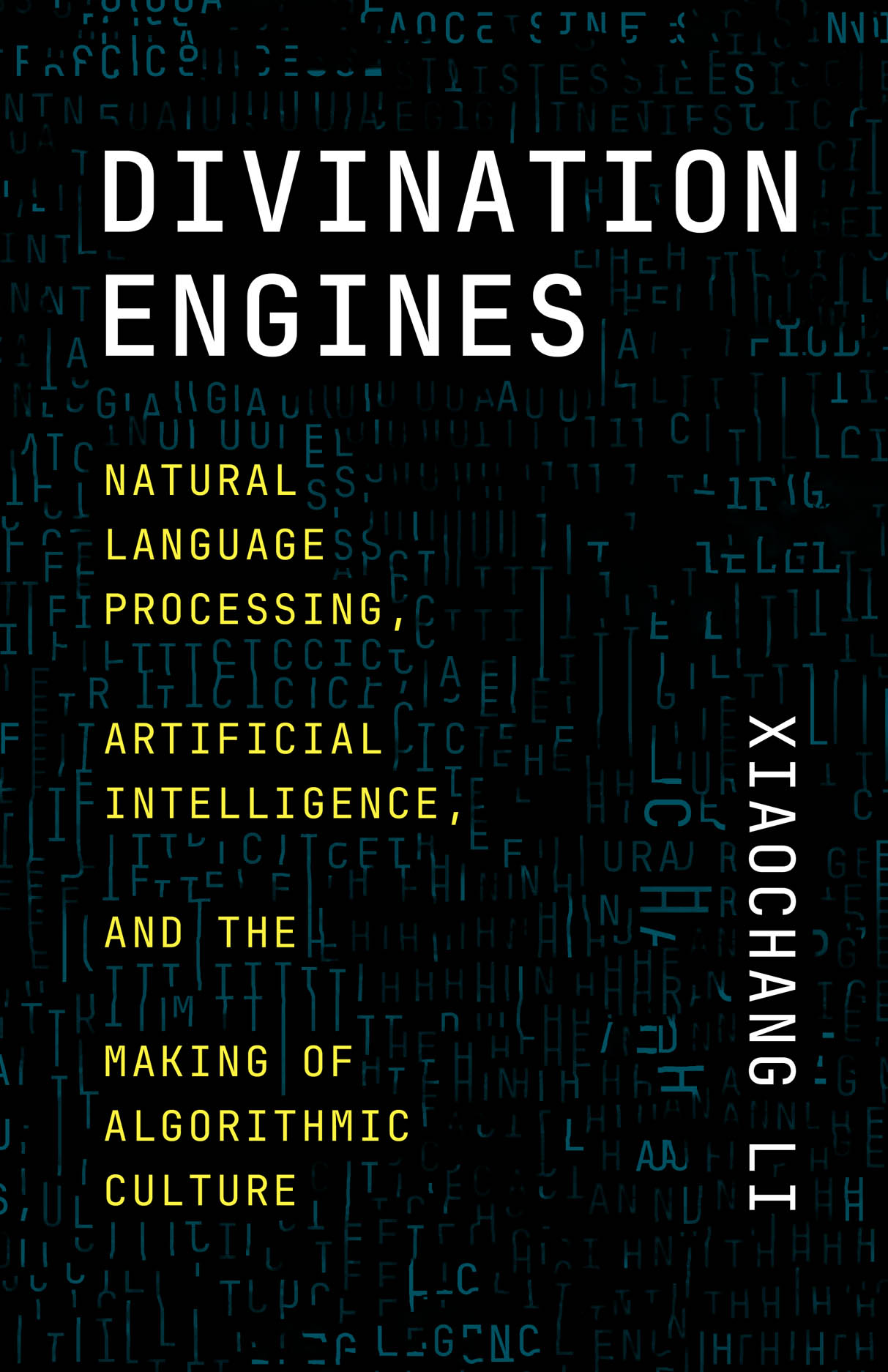
Xiaochang Li,
Divination engines. Natural language processing, Artificial intelligence, and the making of algorithmic culture
(University of Chicago Press, 2026) [MAA Reviews]
172.
Claude Brezinski, Michela Redivo-Zaglia,
The birth and early development of orthogonal polynomials. A chronological history
(SIAM, 2025) [MAA Reviews]
171.
Yuan Xu,
Minimal cubature rules
(Cambridge University Press, 2026) [MAA Reviews]
170.
Benjamin Recht,
The irrational decision. How we gave computers the power to choose for us
(Princeton University Press, 2026) [MAA Reviews]
169.
Robin Wilson,
Sum stories. Equations and their origins
(Oxford University Press, 2025) [MAA Reviews]
168.
Sehun Chun,
Moving frames for the numerical solution of partial differential equations in complex domains. Computation using orthonormal basis vectors
(Springer Signapore, 2026) [zbMATH Open]
167.
Gunther Leobacher, Friedrich Pillichshammer,
Introduction to quasi-Monte Carlo integration and applications (2nd ed)
(Springer Nature, 2026) [zbMATH Open]
166.
Sergio Blanes, Fernando Casas,
A concise introduction to geometric numerical integration (2nd ed)
(Boca Raton/ CRC Press, 2026) [zbMATH Open]
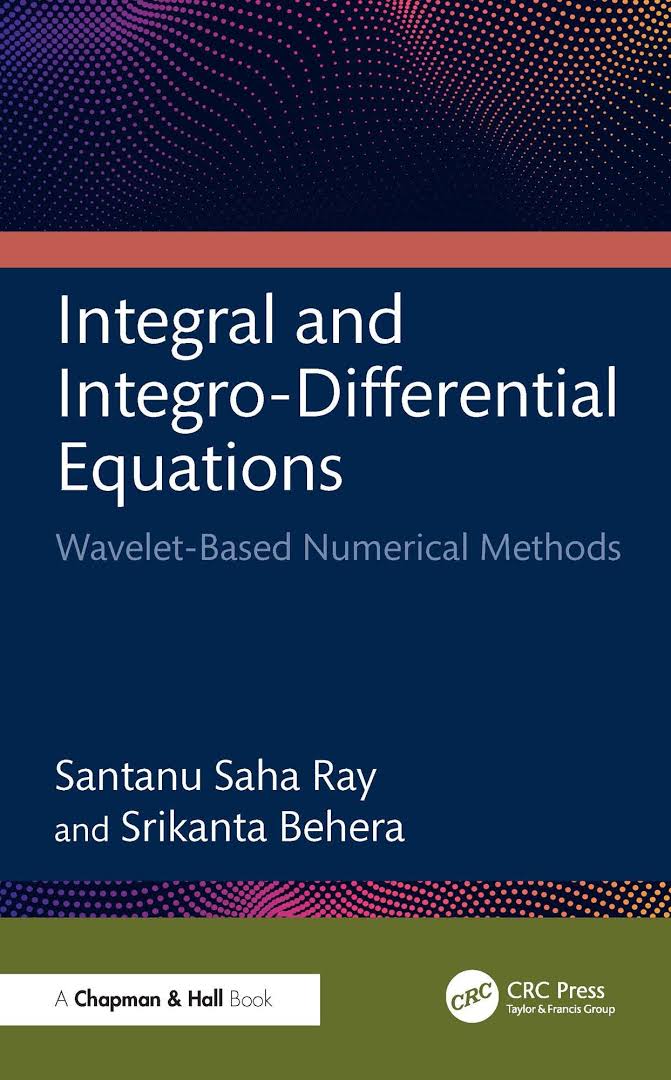
165.
Santanu Saha Ray, Srikanta Behera,
Integral and integro-differential equations. Wavelet-based numerical methods
(Boca Raton, 2026) [zbMATH Open]
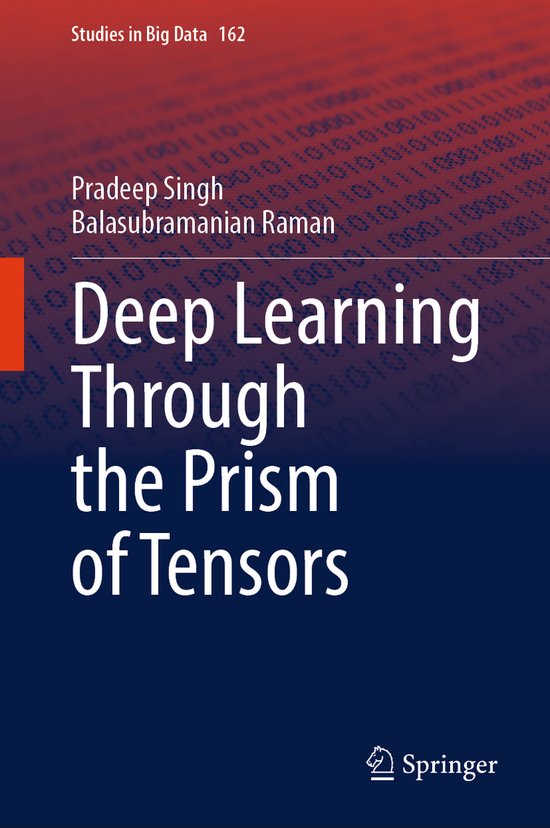
164.
Pradeep Singh, Balasubramanian Raman,
Deep learning through the prism of tensors
(Springer Singapore, 2024) [zbMATH Open]
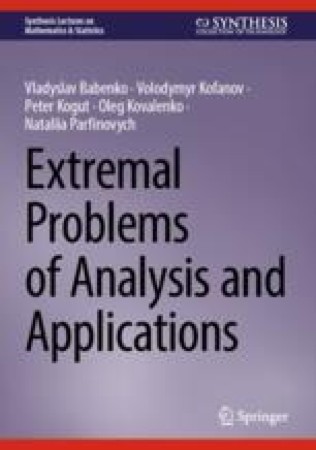
163.
Babenko, Vladyslav; Kofanov, Volodymyr; Kogut, Peter; Kovalenko, Oleg; Parfinovych, Nataliia,
Extremal problems of analysis and applications
(Cham: Springer, 2025) [zbMATH Open]
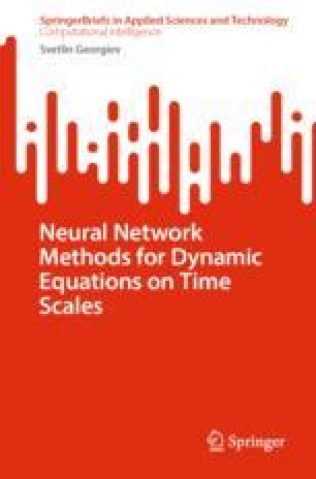
162.
Svetlin Georgiev,
Neural network methods for dynamic equations on time scales
(Cham: Springer, 2025) [zbMATH Open]
161.
Deift, Percy; Dubach, Guillaume; Tomei, Carlos; Trogdon, Thomas,
The Toda lattice and universality for the computation of the eigenvalues of a random matrix
(Cambridge University Press, 2026) [zbMATH Open]
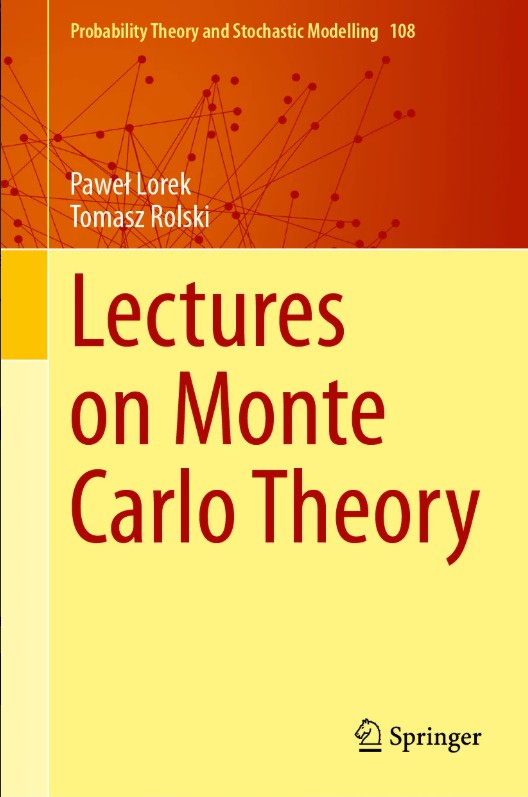
160.
Lorek, Paweł; Rolski, Tomasz,
Lectures on Monte Carlo theory
(Cham: Springer, 2025) [zbMATH Open]
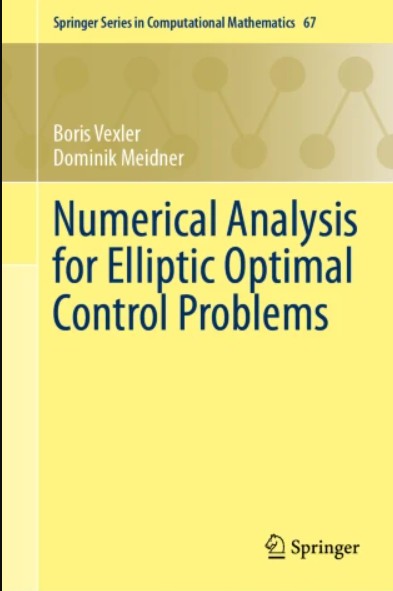
159.
Vexler, Boris; Meidner, Dominik,
Numerical analysis for elliptic optimal control problems
(Cham Springer, 2025) [zbMATH Open]
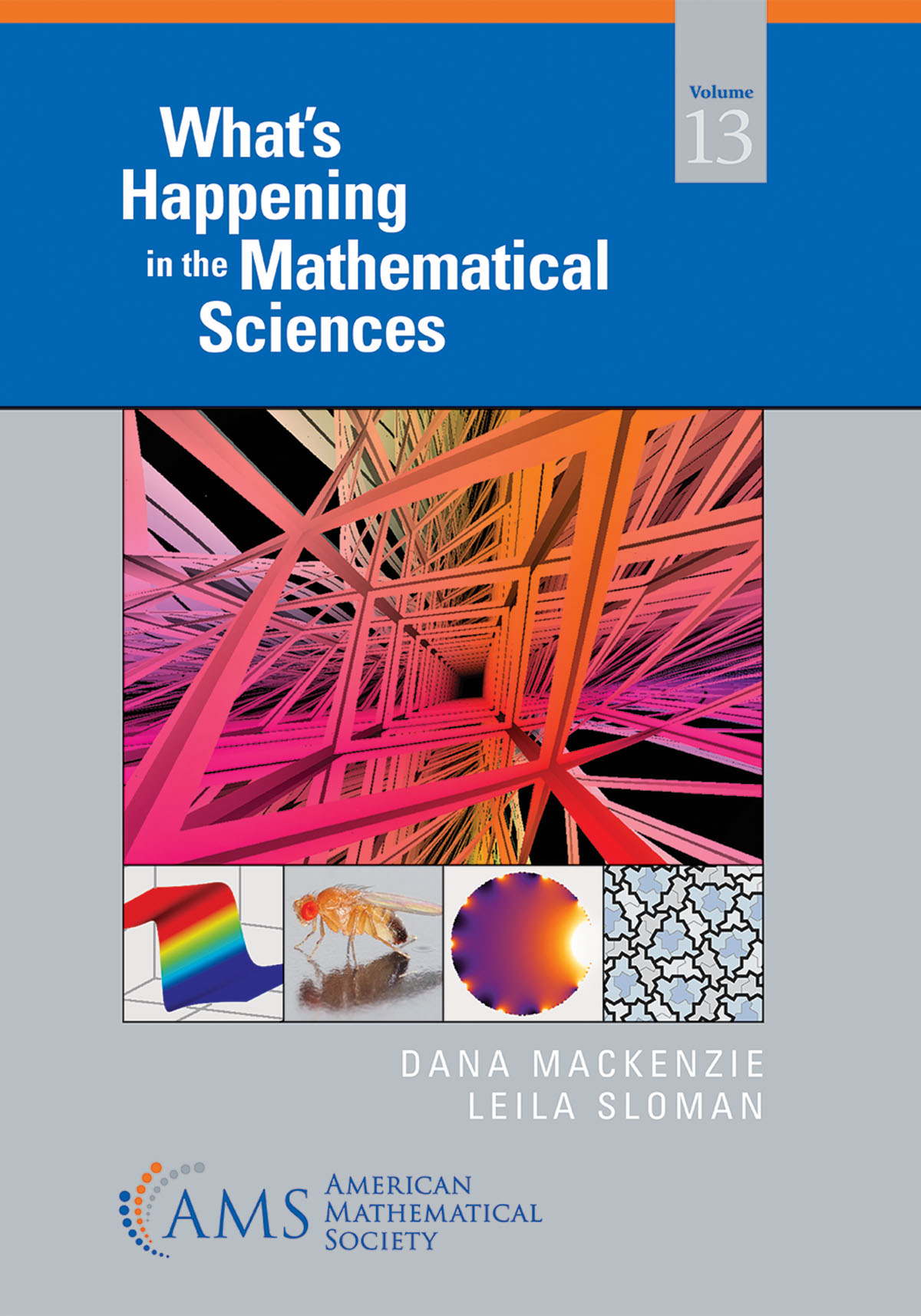
158.
Mackenzie, Dana; Sloman, Leila,
What's happening in the mathematical sciences. Vol. 13
(AMS, 2024) [zbMATH Open]
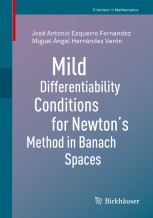
157.
José Antonio Ezquerro Fernández and Miguel Hernández Verón,
Mild differentiability conditions for Newton's method in Banach spaces
(Birkhäuser, 2020) [zbMATH Open]
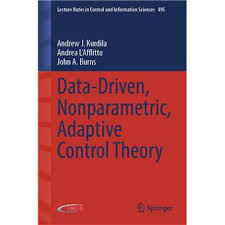
156.
Andrew J. Kurdila, Andrea L'Afflitto, John A. Burns,
Data-Driven, Nonparametric, Adaptive Control Theory
(Springer Nature, 2025) [MathSciNet ]
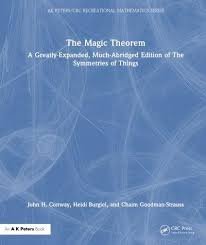
155.
John H. Conway; Heidi Burgiel; Chaim Goodman-Strauss,
The Magic Theorem: A greatly-expanded, much-abridged edition of the symmetries of things
(A K Peters/CRC Press, 2025) [zbMATH Open]
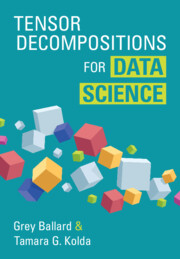
154.
Grey Ballard;Tamara G. Kolda,
Tensor decompositions for data science
(Cambridge University Press, 2025) [zbMATH Open]
153.
José Antonio Ezquerro Fernández and Miguel Hernández Verón,
Convexity in Newton's method
(Birkhäuser, 2025) [zbMATH Open]
152.
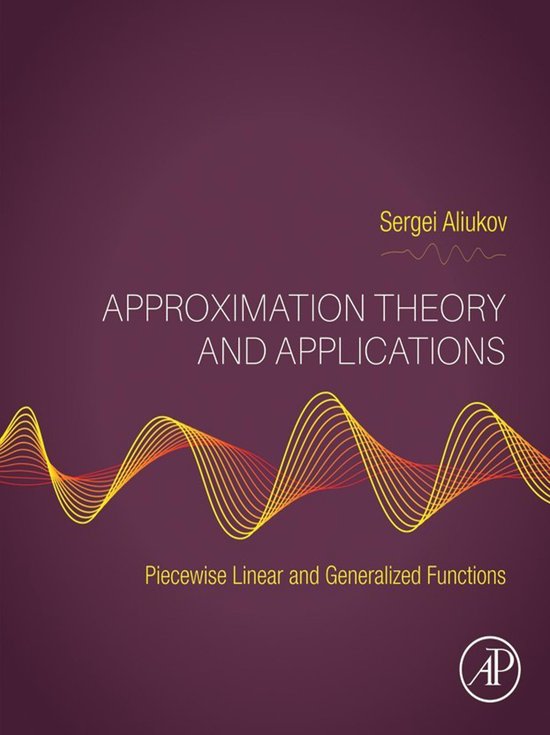
Sergei Aliukov,
Approximation Theory and Applications. Piecewise linear and generalized functions
(Elsevier/Acadmic Press, 2025) [zbMATH Open]
151.
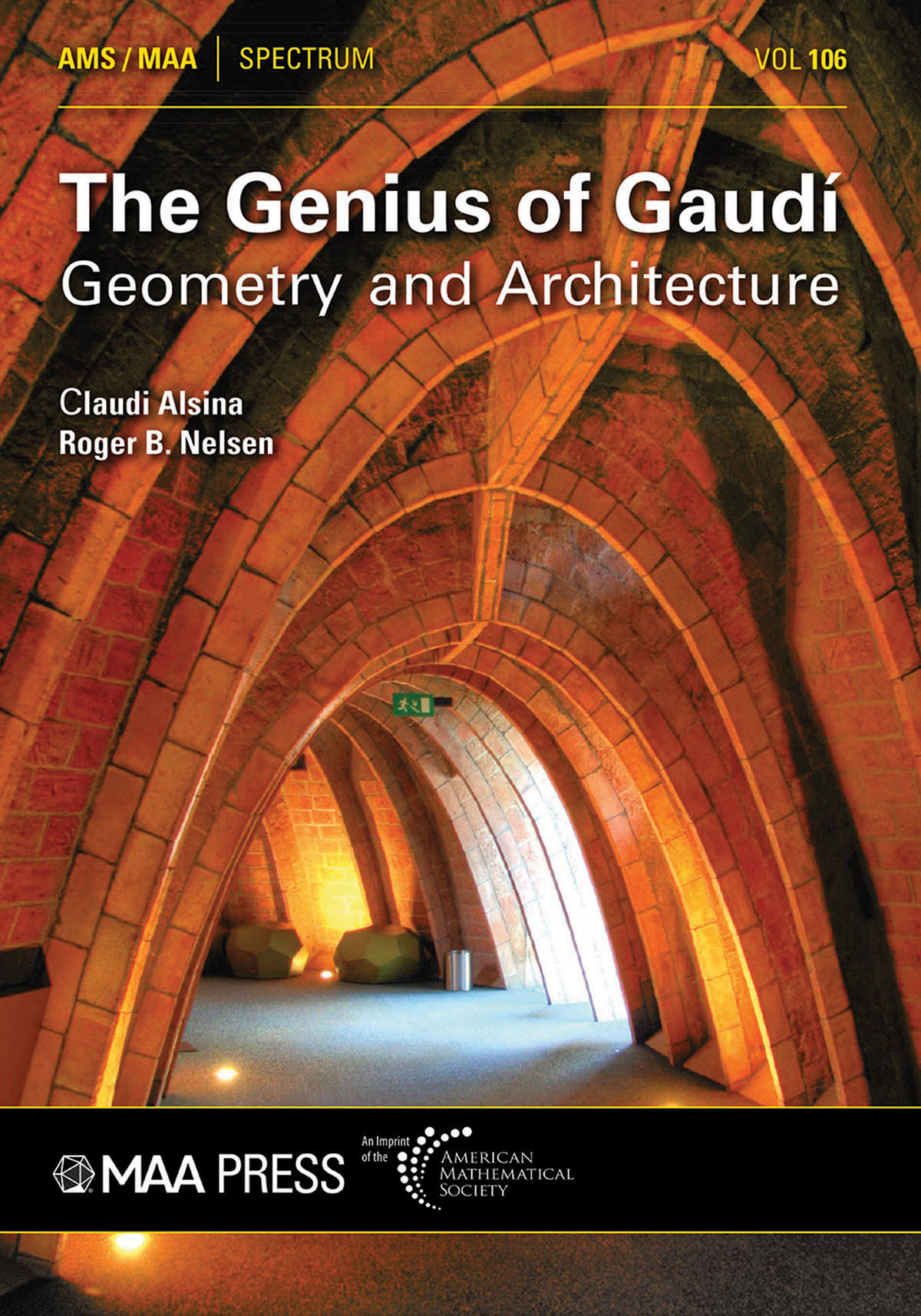
Claudi Alsina and Roger B. Nelsen,
The genius of Gaudí. Geometry and architecture
(MAA Press, 2025) [zbMATH Open]
150.
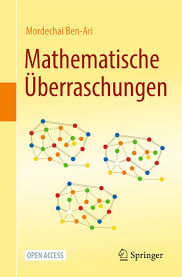
Mordechai Ben-Ari,
Mathematische Überraschungen
(Cham-Springer, 2025) [zbMATH Open]
X
X0
X1
X2
X3
X4
X5
X6
X7
X8
X9
15
16
17